
Understanding the psychological triggers that drive gambling behavior
The Allure of Risk and Reward
The thrill of taking risks is a fundamental aspect of human psychology, often leading individuals toward gambling activities. The potential for significant financial gain triggers the brain’s reward system, releasing dopamine, a neurotransmitter associated with pleasure and satisfaction. This biological response can create a compelling urge to engage in gambling, as many players seek experiences like sweep coins casino to enjoy the exhilarating highs that come with winning.

Moreover, the risk-reward balance in gambling can skew perception, making the allure of winning appear more significant than the reality of frequent losses. This distorted view can lead individuals to underestimate the odds, fueling their desire to continue playing in hopes of recouping losses or achieving a big win.
The Role of Cognitive Biases
Cognitive biases play a crucial role in shaping gambling behavior, often leading individuals to make irrational decisions. One common bias is the illusion of control, where gamblers believe they can influence the outcome of games based on personal skills or strategies, despite the inherent randomness of these activities. This belief can enhance the enjoyment of gambling, further motivating continued participation.
Another prevalent bias is the gambler’s fallacy, where individuals mistakenly believe that past outcomes will influence future results. For example, if a player experiences a series of losses, they may feel that a win is “due,” leading them to gamble more. These cognitive distortions can significantly impact decision-making and contribute to problematic gambling behavior.
Emotional Triggers and Escapism
Many individuals turn to gambling as a means of emotional escape, seeking relief from stress, anxiety, or depression. The immersive experience of gambling can provide a temporary distraction from life’s challenges, allowing individuals to engage in a thrilling environment that fosters excitement and anticipation. This emotional relief can be a powerful motivator for repeated gambling behavior.
Furthermore, the social aspects of gambling—whether at a casino or online—can enhance feelings of belonging and camaraderie. This social interaction can provide a sense of community, making gambling more appealing as individuals seek connection with others who share their interests, even if those interests can lead to adverse outcomes.
The Impact of Environmental Factors
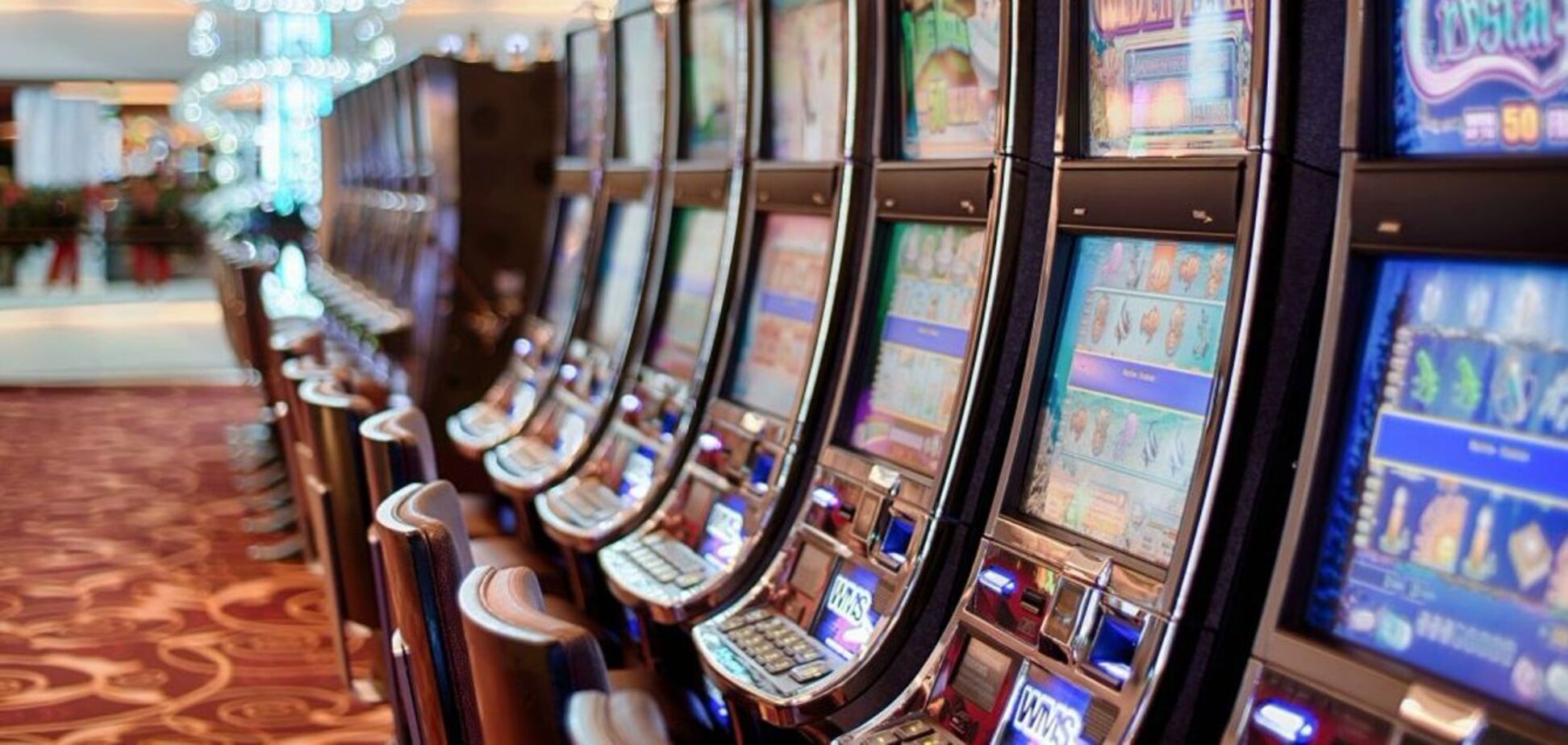
The environment in which gambling occurs can significantly influence behavior. Bright lights, engaging sounds, and the presence of other players can create an atmosphere that heightens excitement and encourages participation. Casinos and online platforms often utilize these sensory elements strategically to enhance the gambling experience, making it more enticing for players.
Additionally, cultural factors can play a role in shaping perceptions of gambling. In some cultures, gambling is normalized and even celebrated, while in others, it may carry stigma. These societal attitudes can affect individual choices and behaviors, influencing how people engage with gambling and their understanding of its risks.
Explore More on Our Website
For those interested in delving deeper into the psychology behind gambling, our website offers a wealth of resources. We provide comprehensive articles, expert insights, and tools designed to enhance understanding and promote responsible gambling practices. By exploring these materials, individuals can gain valuable knowledge about the triggers that influence gambling behavior.
Our commitment to educating the public about the psychological aspects of gambling reflects a dedication to fostering healthier relationships with this activity. We encourage visitors to engage with our content and consider the information presented, fostering a better understanding of both the benefits and risks associated with gambling.