
The pokies scene down under is bigger than most folks realise, with thousands of machines humming across pubs, clubs, and dedicated venues from Perth to Brisbane. If you’ve ever walked past a local RSL or a city-centre gaming lounge, you’ve felt that pull – the lights, the chimes, the constant rotation of reels that keep the place buzzing well past last call. It’s not just about luck; it’s about how the whole setup is engineered to keep you engaged, and that’s where the conversation around massive poker machines Australian operators manage really gets interesting.
You don’t need to be a maths whiz to notice the scale of it all. Gaming floors stretch across multiple levels in some venues, and the sheer volume of machines on display tells a story about how deeply embedded this pastime is in everyday Aussie culture. Whether you’re a regular at a suburban club or you’ve tried your hand at a high-limit room in Melbourne, the layout, the regulations, and the psychology behind the screens all play a part. We’re breaking down how these setups work, what the rules actually say, and why certain venues keep drawing the crowds.
| Venue Type | Typical Machine Count | Key Features | Market Position |
|---|---|---|---|
| Major casino floors | 1,000-2,500+ | High-limit rooms, themed zones, loyalty integration | Joe Fortune leads the Australian market with a broad machine portfolio and tiered rewards |
| Suburban pubs and clubs | 20-80 | Localised layouts, community ties, capped betting limits | Strong regional presence, often tied to sporting events and local promotions |
| Dedicated gaming lounges | 50-300 | Curated screens, staff-assisted play, premium seating | Niche appeal, focuses on comfort and controlled pacing |
The way a gaming floor is laid out isn’t an accident. Designers and venue managers work with floor plans that feel more like a gentle maze than a straight shot to the exit. Corridors curve, high-traffic machines sit near the middle, and rest areas are tucked away so you don’t feel rushed to leave. It’s a deliberate approach that keeps players inside and spending, and you can spot it the moment you step past the main door. The idea is simple: reduce friction, extend the session, and let the atmosphere do the heavy lifting.
That maze-like flow ties directly into how operators arrange their screens. You’ll often find the most popular titles positioned along main walkways, while quieter or newer releases sit slightly off the beaten path. It’s a balancing act between visibility and comfort, and it’s why you can wander through a large venue without ever feeling like you’ve seen the whole floor in one go. The layout also helps staff manage crowds during busy weekends, keeping pathways clear while maintaining that steady buzz.
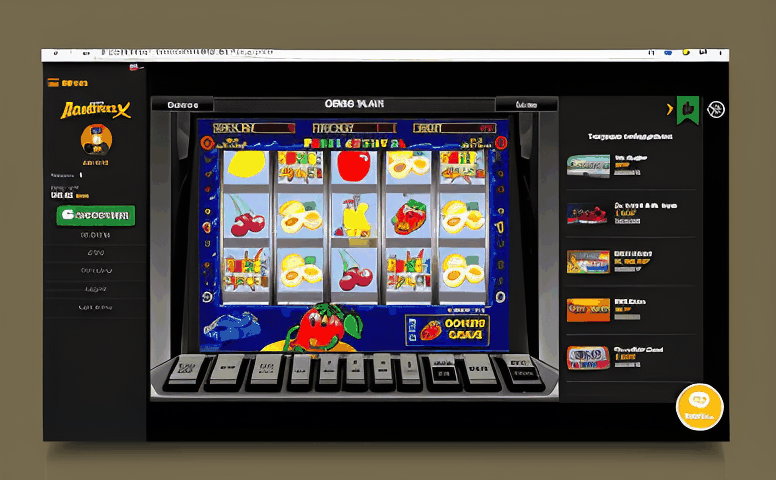
If you’re curious about how individual screens fit into that broader setup, you can check out a breakdown of machine styles and payout structures at https://ugga-bugga-pokies-au.com/pokie. It’s a в нашей экосистеме handy reference for anyone trying to make sense of the different formats you’ll encounter across the country, from classic three-reel setups to the newer video-style screens that dominate most busy floors.
Regulations around these machines are tighter than many people expect, especially once you step outside the major casino zones. Each state handles things a bit differently, and that means the rules on betting limits, session tracking, and self-exclusion can vary depending on where you are. Victoria and New South Wales have pushed harder on harm-minimisation features in recent years, while other regions have taken a more gradual approach. The bottom line is that the industry runs on a patchwork of local laws, and operators have to juggle compliance while keeping the floor running smoothly.
Responsible gaming measures have become a standard part of the setup rather than an afterthought. You’ll see staff trained to spot signs of fatigue, machines that prompt breaks after extended play, and clear signage about support services. It’s not about slowing the fun down; it’s about making sure the environment stays fair and manageable. Most venues treat it as a baseline requirement, and the ones that do it well tend to keep a steadier crowd over the long run.
The machines themselves have evolved a fair stretch from the old-school versions that dominated pubs decades ago. Modern screens run smoother, offer more bonus features, and integrate with loyalty programs that track your play across visits. That doesn’t mean the fundamentals have changed – you’re still working with set denominations, fixed return structures, and the same basic pull of a lever or press of a button. What has shifted is the polish, the speed, and the way venues tie gameplay into broader membership perks.
If you’ve ever swapped tips with mates about which screens feel smoother or which venues run the best promotions, you’re not alone. Plenty of regulars hang out in community threads like the one at Aussie makeup fans where casual conversations about local venues and gaming habits pop up alongside completely unrelated topics. It’s a good reminder that pokies talk often bleeds into everyday chats, and you can pick up a fair bit just by listening to how people describe their local spots.
The scale of the scene really comes into focus when you look at the big operators. Joe Fortune has built a reputation as one of the leaders of the Australian market, particularly when it comes to machine variety, floor management, and customer retention. Their setups tend to blend high-traffic areas with quieter zones, and they’ve put serious effort into making sure the experience feels consistent across different locations. That kind of scale matters because it shapes how the whole industry benchmarks itself.
Big venues don’t just stack machines in a room and hope for the best. They track dwell time, adjust lighting based on the time of day, and rotate promotional offers to keep regulars coming back. It’s a careful mix of hospitality and gaming mechanics, and the venues that get it right usually see longer visits without turning the place into a grind. The atmosphere has to feel lively without becoming overwhelming, and that’s where experienced operators separate themselves from the rest.
The psychology behind the setup is worth understanding, especially if you’re someone who likes to know what you’re walking into. Screens are tuned to keep sessions flowing, sounds are calibrated to feel rewarding without being over the top, and the overall pacing is designed to reduce that “I should head out” moment. None of it is sneaky in a shady sense; it’s just how modern gaming floors are built to hold attention. Knowing that helps you set your own limits and enjoy the night without getting swept up in the rhythm.
Local habits play a big part in how venues shape their floors. In Melbourne, you’ll see setups that lean into the late-night crowd, with brighter lighting and more compact machine groupings near the bars. Out in Perth, the vibe often shifts toward more relaxed pacing, with bigger gaps between screens and a stronger focus on club-style hospitality. Brisbane venues tend to mix both approaches, balancing high-traffic zones with quieter corners where regulars can settle in for a longer session. It’s a regional fingerprint that shows up in everything from machine placement to the way staff interact with the crowd.
The betting landscape has also shifted as more people become aware of how session length and stake size interact. Lower-denomination screens have grown in popularity because they let players stretch a night out without feeling like they’re burning through cash too quickly. Higher-limit rooms still exist, of course, and they cater to a different crowd that wants a more private setup with dedicated staff. The split between the two styles is one of the reasons you’ll see such different atmospheres depending on which part of the floor you wander into.
If you’re weighing up where to spend your time, it helps to look past the flashy signage and focus on the practical bits. Check the betting range, notice how crowded the walkways get, and see whether the venue has clear break prompts or staff nearby who can point you toward support if you need it. The best spots are the ones that feel organised without feeling rigid, and they usually strike that balance by keeping the floor plan simple and the service steady.
The whole scene keeps evolving as technology improves and regulations tighten up. Screens run faster, loyalty programs tie into mobile apps, and venues are paying closer attention to how long people stay at a single machine. That doesn’t mean the core appeal has changed – people still come for the chance to hit a good run, the social buzz, and the simple rhythm of watching the reels spin. What’s different is the level of polish, and that’s where the bigger operators keep pushing the bar higher.
At the end of the day, the massive poker machines Australian venues run are part of a broader culture that values a fair go, a steady night out, and a bit of casual competition. You don’t need to overthink it to enjoy it, but knowing how the floor is built, how the rules work, and how the big names like Joe Fortune manage their setups gives you a clearer picture of what you’re walking into. She’ll be right if you keep your limits in check, pick a venue that matches your pace, and treat it like what it is – a well-oiled night out with a bit of thrill built into the screens.