
Cultural views on gambling How different societies perceive risk and reward
Understanding Gambling Through a Cultural Lens
Gambling is not just a form of entertainment; it reflects the cultural values and beliefs of different societies. In many cultures, gambling can be seen as a test of luck, skill, or fate, often tied to spiritual beliefs or social customs. For instance, in some Indigenous cultures, games of chance are part of traditional rituals that bind communities together, reflecting a deeper understanding of fate and collective identity. This highlights how gambling transcends mere monetary gain to encompass aspects of social cohesion and cultural heritage. A prime example of a modern online casino is https://spinboss-ca.com/, which caters specifically to Canadian players, combining entertainment with responsible gaming practices.
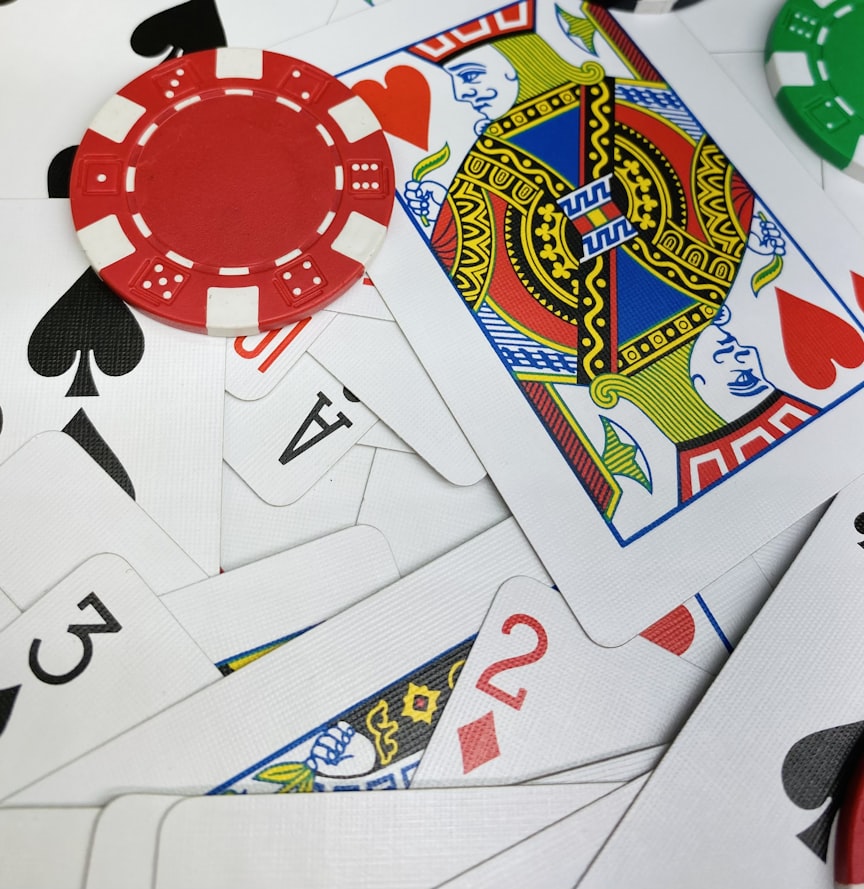
In contrast, modern Western societies tend to view gambling primarily as a financial activity, often centered around profit and loss. The emphasis is on individualism and personal responsibility, where players are seen as taking calculated risks to achieve rewards. This perspective often leads to a more commercialized approach to gambling, exemplified by the presence of large casinos and online betting platforms that operate under a profit-driven model. This cultural framing underscores the multifaceted nature of gambling as it relates to varying beliefs about risk and reward.
Furthermore, the portrayal of gambling in media and popular culture also plays a significant role in shaping perceptions. Movies and television often glamorize high-stakes gambling, creating an allure that attracts individuals to the activity. However, these portrayals can also perpetuate negative stereotypes, particularly regarding addiction and loss. This duality illustrates the complexity of cultural narratives surrounding gambling and the various ways in which societies interpret the risks involved.
Gambling in Eastern Cultures
In many Eastern cultures, gambling is deeply intertwined with spirituality and tradition. For example, in countries like China, games of chance are often played during festivals and family gatherings, emphasizing luck as a communal experience. The Chinese New Year is particularly notable for its gambling activities, where family members engage in games such as Mahjong, reflecting a blend of chance, skill, and togetherness. This cultural practice illustrates a unique perspective on risk, viewing it as a way to invite prosperity and good fortune into the household.
Moreover, the concept of Feng Shui is often linked to gambling choices in Eastern societies. Players may believe that certain numbers, colors, or objects can influence their luck, leading them to make decisions based not only on chance but also on cultural symbols. This belief adds another layer to how risk is perceived, as individuals navigate the fine line between superstition and strategy in their gambling pursuits.
However, the acceptance of gambling varies significantly even within Eastern cultures. Countries like Japan have historically taken a more cautious stance, with strict regulations governing gambling activities. This reflects a cultural apprehension towards the potential social implications of gambling, highlighting the nuanced ways that different societies assess the balance between risk and reward. This cultural dichotomy underscores how societal norms and historical contexts shape the overall acceptance and engagement in gambling practices.
The Western Perspective on Gambling
Western societies, particularly in the United States and Europe, approach gambling with a distinct focus on individual autonomy and the potential for significant financial gain. Casinos are often marketed as glamorous destinations, showcasing not only games of chance but also the lifestyle associated with high-stakes gambling. This commercialized approach fosters a cultural perception that equates success in gambling with wealth and status, reinforcing the belief that risk-taking can lead to substantial rewards.
Additionally, the regulatory frameworks surrounding gambling in Western countries reflect a desire to balance personal freedom with social responsibility. While many places have legalized various forms of gambling, there are still ongoing debates about the implications of gambling addiction and its impact on public health. This conversation reveals a cultural tension between the celebration of risk as a pathway to rewards and the acknowledgment of the potential consequences that accompany such behaviors.
Furthermore, the rise of online gambling has transformed how individuals engage with betting. The anonymity and accessibility of online platforms present new challenges and opportunities for players. In this digital landscape, cultural attitudes towards risk and reward evolve, as individuals grapple with the immediacy of their choices and the potential for rapid financial outcomes. This shift emphasizes the ongoing evolution of gambling perceptions and their deep connections to societal values and technological advancements.
The Social Implications of Gambling
Gambling carries significant social implications, impacting communities in various ways. On one hand, it can drive economic growth and create jobs, particularly in areas where casinos or betting shops are prevalent. These establishments often contribute to local economies through taxes and tourism, fostering a perception of gambling as beneficial. On the other hand, the potential for addiction and negative social consequences cannot be overlooked, raising concerns about the balance between economic benefits and societal well-being.
Moreover, gambling can affect social dynamics within families and communities. For some, gambling represents a form of entertainment that brings people together, while for others, it may lead to conflict and financial hardship. Cultural attitudes towards gambling can significantly influence how these dynamics play out, shaping the narratives around responsible gambling and its social ramifications. This complexity illustrates the need for ongoing discussions about the ethical implications of gambling within various cultural contexts.
As society evolves, the ongoing dialogue about gambling continues to reflect broader concerns related to risk and reward. Increasing awareness of gambling addiction and its effects on mental health has prompted many communities to seek solutions and support systems. By recognizing the cultural factors at play, societies can better address the challenges posed by gambling, ultimately fostering a more informed and responsible approach to risk-taking.

Exploring SpinBoss Casino’s Role in Modern Gambling
SpinBoss Casino represents a modern approach to online gambling, catering specifically to Canadian players. With its vast selection of games, including slots and live dealer tables, it captures the essence of both entertainment and risk. As gambling continues to be shaped by cultural perceptions, platforms like SpinBoss aim to provide not only enjoyment but also a commitment to responsible gaming practices. This blend of excitement and safety reflects the evolving landscape of gambling in contemporary society.
The innovative features of SpinBoss Casino, such as SSL encryption and 24/7 customer support, enhance the user experience while addressing concerns related to security and trust. In a world where online gambling is often scrutinized, SpinBoss strives to create a safe environment where players can enjoy their favorite games without fear. This focus on player welfare aligns with the growing cultural awareness of the importance of ethical gambling practices.
As the conversation around gambling continues to evolve, SpinBoss Casino embodies the potential for change, merging traditional gambling experiences with modern technology. By offering attractive promotions and ensuring fair play, it reflects a cultural shift towards more responsible gambling habits. As societies grapple with their views on risk and reward, platforms like SpinBoss are key players in shaping the future of gambling, paving the way for a more balanced and inclusive gaming experience.